
Parenting and Guardianship
How the voice of the child is heard In BC
Mandy Shergill28 July 20253 min read
In British Columbia's family law system, ensuring children's voices are heard during legal proceedings has become increasingly important. The courts and legal professionals recognize that children should have appropriate opportunities to express their views in matters that affect their lives.
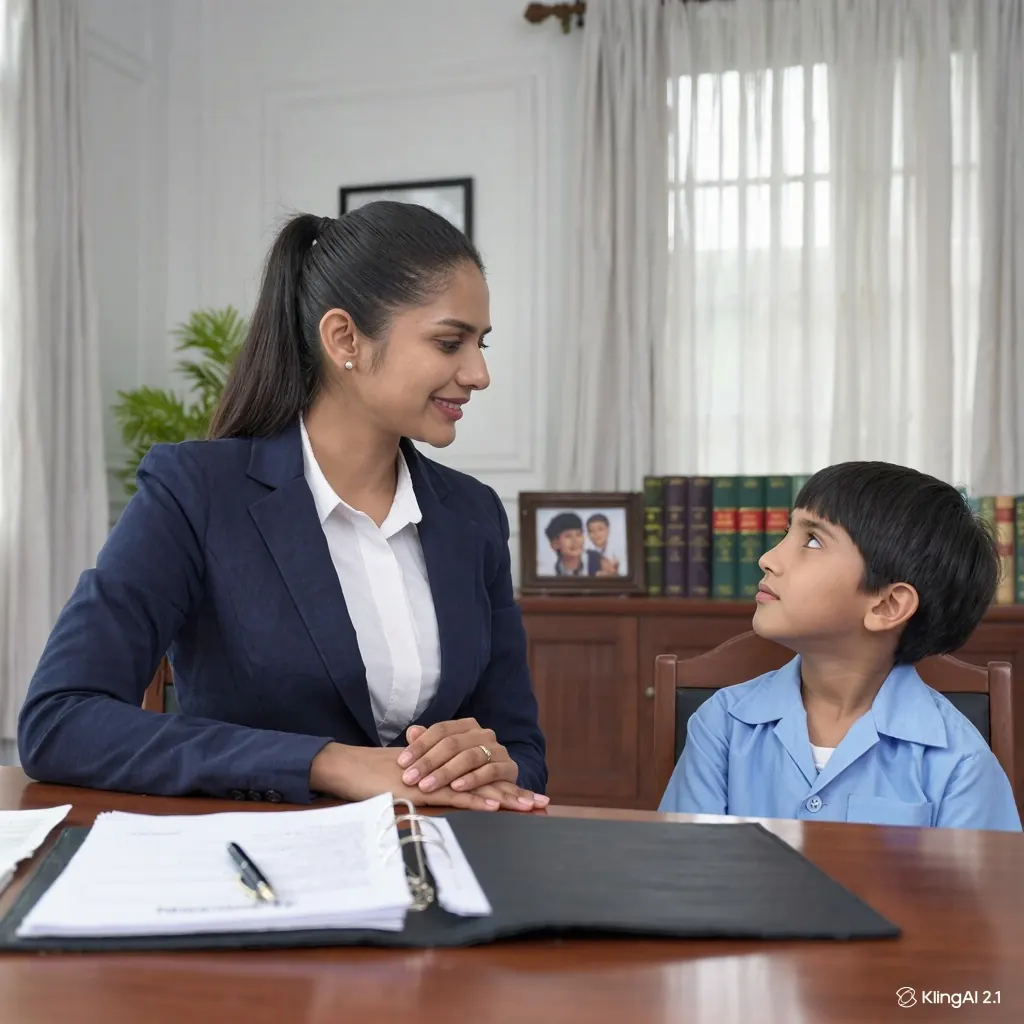
Methods for Hearing Children's Voices in BC Family Law
There are several established methods through which children's views can be presented to the court:
- Views of the Child Reports - Professional interviews documenting children's perspectives
- Judicial Interviews - Direct conversations between judges and children
- Child Legal Representatives - Lawyers appointed to represent children's interests
- Experiencedise Reports - Detailed assessments by psychologists or counselors
Views of the Child Reports
Views of the Child Reports are the most common method used in BC. These reports come in two forms:
Non-Evaluative Reports
These reports simply record what the child has said without analyzing or interpreting their statements. They are:
- Generally less expensive
- Completed more quickly
- Suitable for children aged 7-16
- Conducted by trained professionals
Evaluative Reports
These provide more in-depth analysis, including:
- Professional observations of the child
- Assessment of the child's maturity level
- Analysis of potential influences on the child's views
- Recommendations based on the child's best interests
Factors Considered When Including Children's Views
As per Section 37(2)(b) of the Family Law Act, the court considers several factors when determining how to include children's voices:
- Age and Maturity - Older children's views typically carry more weight
- Ability to Understand - The child's capacity to comprehend the situation
- Emotional State - Current psychological well-being
- Parental Influence - Whether views appear coached or genuine
Key Considerations for BC Residents
- Children should never feel responsible for making decisions about parenting arrangements
- Professional support may be needed to help children express their views safely
- Views of the Child Reports should be current and relevant to the issues at hand
- Multiple reports may be needed as circumstances change
Legal Disclaimer: This information is provided for educational purposes only and does not constitute legal advice. Each family law case is unique, and outcomes can vary significantly. Please consult with a qualified legal professional for advice specific to your situation.
Get Professional Legal Support
At Shergill Law Corporation, we understand the delicate nature of family law matters involving children. Our experienced family law team can help you navigate the process of ensuring your child's voice is heard appropriately while protecting their best interests. We offer comprehensive family law services, including assistance with Views of the Child Reports and other methods of presenting children's perspectives to the court.
Contact Shergill Law Corporation today to schedule a confidential consultation. Call us or visit our website to learn how we can help ensure your child's voice is heard in your family law matter.
Frequently asked questions
At what age can a child's views be considered?
There's no fixed age in BC law. Generally, children 7 and older may have their views considered, with greater weight given to older children's preferences.
Can a child choose which parent to live with?
While children's preferences are considered, they don't have the final say. The court makes decisions based on the best interests of the child, considering multiple factors beyond preference.
Are children required to express their views?
No. Children have the right to express their views but cannot be forced to do so. It's entirely voluntary.
Who pays for Views of the Child Reports?
Generally, parents share the cost, though the court may order different arrangements. Some subsidized services are available through family justice centers.
This article is general information about family law in British Columbia. It is not legal advice for your situation. Speak with a lawyer about the facts of your own matter.